

What Legal Documents Do You Need for a Funeral?
Losing a loved one comes with many decisions, and knowing which documents you need can make an already difficult time a little easier. From the death certificate to a will or pre-arrangement paperwork, having the right documents available can help your family and funeral director move through the planning process more smoothly. Not every family will need the same paperwork, and some documents may be more important for settling the estate than for arranging the funeral itself. If you are planning a funeral in South Carolina, here are some of the most common documents and records you may need. Death Certificate The death certificate is one of the most important documents following a death. It provides official information about your loved one and is used for many responsibilities after their passing, including settling financial accounts, handling insurance policies, and notifying government agencies. Your funeral home will generally help with the process of obtaining certified copies. The number of copies you need can depend on your loved one’s financial accounts, insurance policies, property, and other affairs. At Sosebee Mortuary & Crematory, death certificate services are included in many of our funeral and cremation arrangements, with additional certified copies available when needed. Will or Last Will and Testament If your loved one had a will, locate the most recent version and provide it to the appropriate family members, executor, attorney, or other professional handling the estate. A will can provide important information about how your loved one wanted their assets handled and who they appointed to manage their estate. It may also contain instructions regarding funeral or burial preferences. Keep in mind that a will is primarily an estate-planning document. Funeral arrangements and decisions about the disposition of remains can be governed by separate laws and documents, so families should not assume that a will alone answers every question about final arrangements. Funeral or Pre-Arrangement Documents Some people plan their funeral or cremation in advance. If your loved one made arrangements before their passing, look for any paperwork related to those plans. This may include: Prepaid funeral plans Pre-arrangement forms Written funeral or cremation wishes Cemetery or burial plot information Insurance policies designated for funeral expenses Documents naming someone to make final-arrangement decisions Having these documents available can help the funeral home understand what your loved one wanted and determine what arrangements may already be in place. Documents Naming an Agent for Final Arrangements South Carolina law provides ways for a person to designate someone to carry out their wishes regarding the disposition of their remains. Depending on the circumstances, this may include a written designation or language in another legally recognized document. This can be especially important when deciding between burial and cremation or when there may be questions about who has authority to make final arrangements. If your loved one named an agent to handle these decisions, make sure the document is available when meeting with the funeral home. Having clear documentation can help prevent confusion when several family members are involved. Insurance Policies Life insurance and other insurance policies are not necessarily required to arrange a funeral, but they can be important when determining how funeral expenses will be handled. Bring any applicable policy information, including: Name of the insurance company Policy number Policyholder information Contact information for the insurance company or […]
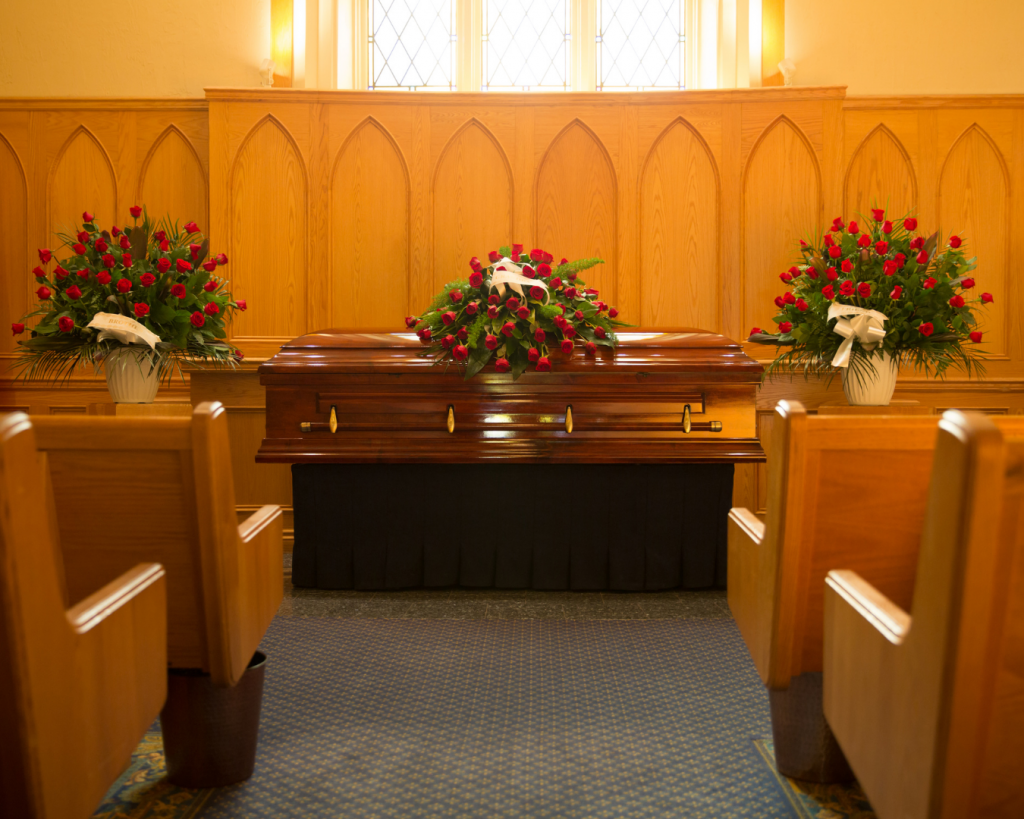
Can You Change Funeral Plans After They’ve Been Made?
Planning a funeral can be overwhelming, especially when you are making important decisions during an emotional time. It is also completely normal for circumstances or family preferences to change after arrangements have been made. So, can you change funeral plans once they are already in place? In many cases, yes. The ability to make changes will depend on what has already been arranged, how close the service date is, and whether certain services or products have already been purchased or scheduled. What Funeral Arrangements Can Be Changed? Depending on the circumstances, families may be able to make changes to details such as: The date or time of the service Visitation arrangements Music, readings, or other elements of the ceremony Memorial displays, photographs, or keepsakes Burial or cremation preferences Casket or urn selections The location of the service Some changes may be easier to make than others, particularly if arrangements with a cemetery, church, crematory, or other service provider have already been finalized. Talk With Your Funeral Director If you are considering a change, the best thing to do is talk with your funeral director as soon as possible. They can explain what can still be changed, what may require additional arrangements, and what options are available to your family. At Sosebee Mortuary & Crematory, we understand that funeral planning is not always a one-size-fits-all process. Our team works closely with families to create meaningful funeral and cremation services that reflect their loved one and their wishes. We are here to answer questions, explain your options, and make adjustments whenever possible. Located in Anderson, SC, Sosebee Mortuary & Crematory provides personalized funeral and cremation services with support available 24/7. If something about your arrangements no longer feels right, you do not have to figure it out alone. Have questions about changing funeral arrangements? Contact Sosebee Mortuary & Crematory to discuss your options with our team.
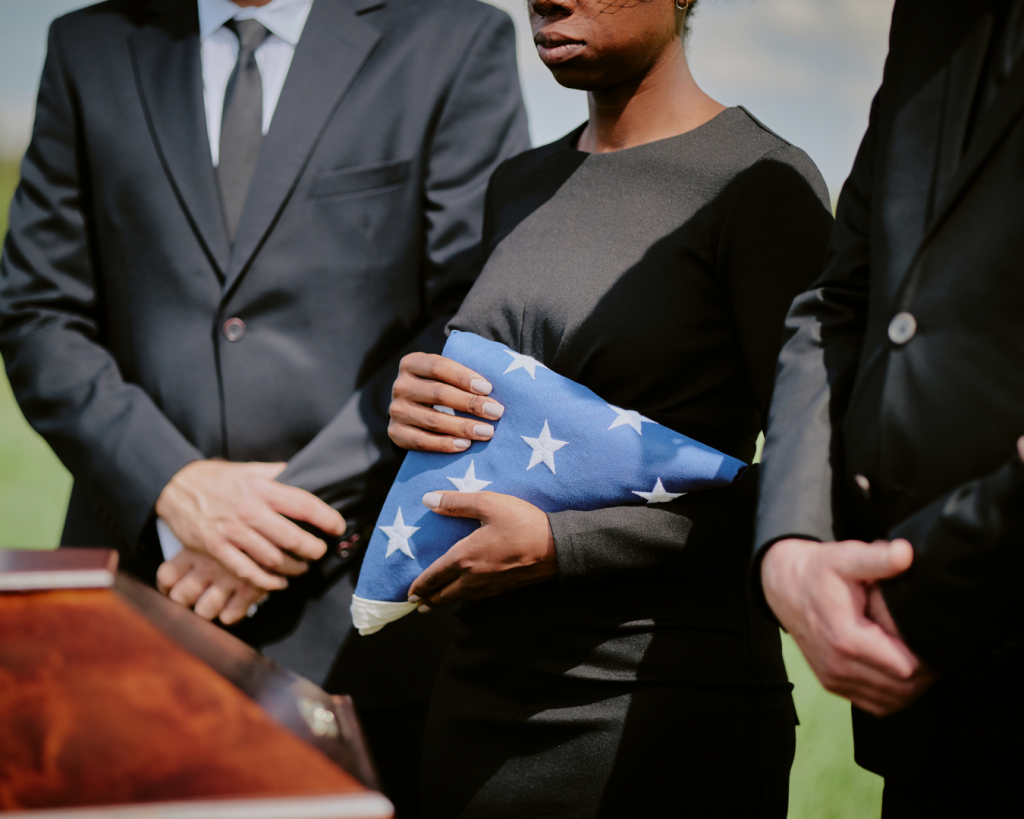
The History of Funeral Traditions in America
As America celebrates its 250th anniversary, many of us are reflecting on the people, traditions, and values that have shaped our nation. While fireworks, parades, and historical landmarks often take center stage, there’s another part of American history that’s just as meaningful: how we’ve honored the lives of those we’ve loved. Funeral traditions have changed dramatically over the last 250 years, but one thing has remained the same: the desire to remember, celebrate, and pay tribute to those who came before us. Early America: Simple Services Close to Home In the late 1700s, shortly after the United States declared its independence, funerals were typically family affairs. Most services were held in the home, where loved ones cared for the deceased themselves. Family members and neighbors helped prepare the body, and communities often gathered to offer support. Burial usually took place within a day or two, often in a nearby churchyard or family cemetery. These simple ceremonies reflected the close-knit communities that helped build the young nation. The Civil War Changed Everything One of the biggest turning points in American funeral history came during the Civil War. With soldiers dying far from home, families wanted a way to bring their loved ones back for burial. This led to the widespread use of embalming, allowing bodies to be preserved during long journeys. As embalming became more common, funeral professionals began taking on a larger role in helping families care for their loved ones. Many of the funeral practices we know today grew from this period. The Rise of Funeral Homes By the early 1900s, funeral services had moved from family homes to dedicated funeral homes. These spaces gave families a comfortable place to gather, hold visitations, and celebrate a loved one’s life together. Funeral directors became trusted guides, helping families navigate difficult decisions with compassion and care. Over time, services also became more personalized. Families began choosing favorite songs, meaningful readings, photographs, and keepsakes that reflected the unique life being remembered. A Celebration of Life Today’s funeral services look different from those of 250 years ago, and that’s okay. While many families still choose traditional funerals, others prefer celebrations of life that focus on sharing stories, laughter, music, and memories. Some include military honors, motorcycle processions, dove releases, or receptions where friends and family can gather after the service. There is no one-size-fits-all approach to honoring someone’s life. Every family is different, and every service should reflect the person being remembered. Honoring Veterans and American Service As we celebrate America’s 250 years of history, it’s also a meaningful time to recognize those who served our country. Military funeral honors, the presentation of the American flag, and ceremonies at veterans’ cemeteries are longstanding traditions that recognize the sacrifice made by members of the Armed Forces. These moments remind us that our nation’s story has been shaped by generations who served with courage and dedication. For many families, these traditions are a powerful way to honor both a loved one’s life and their service to the country. The Heart of Every Tradition Although funeral customs have evolved over the centuries, their purpose has never really changed. They bring people together. They give families time […]

Can Ashes Be Buried in a Cemetery?
As cremation continues to become a popular choice for families, many people wonder what options are available for a permanent resting place. One of the most common questions funeral professionals hear is: Can ashes be buried in a cemetery? The simple answer is yes. In fact, many cemeteries offer several options for the burial or placement of cremated remains, allowing families to create a lasting memorial while honoring their loved one’s wishes. Yes, Cremated Remains Can Be Buried in a Cemetery Many people assume cremation means ashes must be kept at home or scattered in a meaningful location. While those are certainly options, cemeteries regularly accommodate cremated remains through in-ground burials, columbarium niches, mausoleums, and cremation gardens. Choosing a cemetery burial provides families with a dedicated place to visit, reflect, and remember for years to come. It also ensures that future generations have a permanent location to honor their loved ones. Common Cemetery Options for Ashes In-Ground Burial One of the most traditional choices is burying an urn in a cemetery plot. Some cemeteries offer special cremation plots designed specifically for urns, while others allow cremated remains to be placed within a standard burial plot. Depending on the cemetery’s rules, an urn vault or protective container may be required to help maintain the integrity of the burial site. Burial in an Existing Family Plot Many cemeteries allow cremated remains to be buried in an existing family grave, making it possible for loved ones to rest together. Policies vary by cemetery, and approval is typically required from the owner of the burial rights. For families seeking a shared final resting place, this can be a meaningful option. Columbarium Niches A columbarium is a structure that contains individual niches designed to hold urns. Rather than being buried in the ground, the urn is placed in a secure compartment that can often be personalized with an inscription or memorial plaque. Columbariums offer a dignified and permanent memorial while requiring less space than traditional burial plots. Mausoleums and Memorial Gardens Some cemeteries feature mausoleums or dedicated cremation gardens where urns can be placed above or below ground. These areas often provide beautifully landscaped surroundings and opportunities for memorialization. Why Families Choose Cemetery Burial for Ashes There are many reasons families choose to bury cremated remains in a cemetery: A permanent place to visit and remember a loved one The opportunity to create a lasting memorial marker Keeping family members together in one location Reduced concerns about future generations caring for the urn Peace of mind knowing the remains are protected and properly maintained For many families, having a dedicated memorial space provides comfort during the grieving process and long afterward. Are There Rules for Burying Ashes in a Cemetery? Every cemetery has its own policies regarding cremated remains. Requirements may include: Authorization from the plot owner Cemetery interment paperwork Approved urns or containers Vault requirements for in-ground burials Placement restrictions based on available space Because regulations vary, it’s always best to speak directly with the cemetery or funeral home before making arrangements. How Sosebee Mortuary Can Help Whether you’re planning ahead or making arrangements for a loved one, understanding your options can make the process easier. At Sosebee Mortuary & Crematory, our compassionate team helps families explore burial, cremation, and memorialization […]
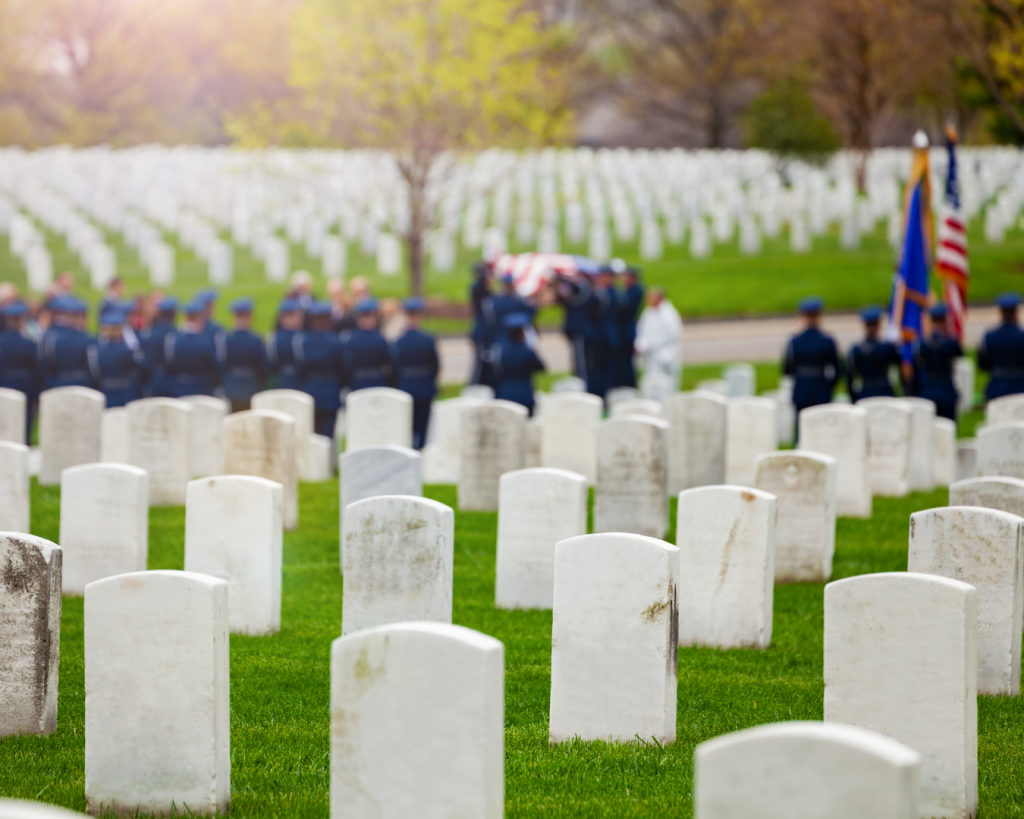
The History Behind Military Funeral Traditions in America
As Memorial Day approaches each May, many families begin reflecting on the sacrifices made by generations of American service members. One of the most recognizable ways the United States honors veterans is through military funeral traditions, many of which date back hundreds of years. Military funeral customs have roots that stretch back to ancient civilizations, but many American traditions were shaped during the Civil War and the years that followed. The enormous loss of life during the war led communities across the country to begin decorating soldiers’ graves with flowers and flags, a tradition that eventually became known as “Decoration Day,” now called Memorial Day. The History of the American Flag at Military Funerals One of the most well-known military funeral traditions is the draping of the American flag over the casket. This custom traces back to the Napoleonic Wars, when fallen soldiers were carried from battlefields covered by flags. Today, the flag is carefully folded and presented to the veteran’s next of kin as a symbol of gratitude for their service. The Meaning Behind “Taps” at Veteran Funerals Another recognizable tradition is the playing of “Taps.” Originally composed during the Civil War as a military lights-out call, it later became associated with military funerals because of its calm and reflective tone. In modern services, “Taps” may be played live by a bugler or through a ceremonial recording when a live musician is unavailable. Understanding the Rifle Salute at Military Funerals The rifle volley salute, often mistakenly called a “21-gun salute,” also has military origins. The practice evolved from temporary battlefield ceasefires that allowed both sides to recover and honor their fallen soldiers before fighting resumed. Over time, the tradition became a ceremonial sign of respect at military funerals. Modern Military Funeral Honors for Veterans Modern military funeral honors became federally guaranteed in 2000, when U.S. law required military funeral honors for eligible veterans upon request. Today, honors typically include at least two uniformed military personnel, the folding and presentation of the flag, and the playing of “Taps.” Military Funeral Traditions in South Carolina In South Carolina and across the country, these traditions continue to provide comfort, dignity, and recognition for veterans and their families. Memorial Day serves as an important reminder that these ceremonies are more than traditions. They are acts of remembrance for those who served and sacrificed for others. At Sosebee Mortuary & Crematory, we are honored to help families celebrate and remember the lives of veterans with the respect and care they deserve.
What to Bring to the Funeral Home When Making Arrangements
Losing a loved one is never easy, and the process of making funeral arrangements can feel overwhelming, especially in the first few days. At Sosebee Mortuary & Crematory, families are guided through every step with compassion and care, but coming prepared can help make the process smoother and less stressful. If you’re planning to meet with a funeral director in South Carolina, here’s a helpful checklist of what to bring and why it matters. Essential Information About Your Loved One One of the first steps in making arrangements is providing personal details needed for official documentation, including the death certificate. Be prepared to share: Full legal name Social Security number Date and place of birth Date and place of passing Parents’ names (including mother’s maiden name) Marital status and spouse’s name Occupation and education history Having this information ready will help ensure everything is completed accurately and efficiently. Clothing and Personal Items If you are planning a traditional burial or viewing, you may be asked to bring clothing for your loved one. This can include: A complete outfit (including undergarments) Shoes (optional, depending on preferences) Jewelry or meaningful accessories Many families in South Carolina choose items that reflect their loved one’s personality, faith, or favorite style as a way to honor their life. Photos for Memorial Materials Photos are often used for: Obituaries Memorial videos or slideshows Display boards at the service Try to bring a variety of photos from different stages of life. Even a small selection can help create a meaningful tribute that celebrates their story. Pre-Arrangement Documents (If Applicable) If your loved one made pre-arrangements, be sure to bring any related paperwork. This might include: Prepaid funeral plans Burial or cemetery plots Insurance policies Written wishes or directives Having these documents ensures their preferences are honored and can ease decision-making for the family. Many funeral homes, including Sosebee Mortuary & Crematory, offer both burial and cremation options tailored to each family’s needs. Military or Veteran Information If your loved one served in the military, bring: Discharge papers (DD-214) Any service-related documentation This allows the funeral home to arrange military honors or benefits, which are commonly requested across South Carolina. Financial and Payment Information Funeral arrangements often require financial decisions, so it’s helpful to come prepared with: Payment method (cash, check, or card) Insurance policy details (if applicable) Understanding available payment options ahead of time can help reduce stress during the arrangement process. A List of Family Members and Contacts You may also want to bring: Names of close family members for the obituary Contact information for those involved in planning Clergy or officiant details (if known) This helps streamline communication and ensures everyone stays informed. Questions and Preferences Finally, and most importantly, bring your thoughts, questions, and preferences. Consider: Burial vs. cremation Type of service (traditional, memorial, or celebration of life) Music, readings, or special touches Funeral directors are there to guide you, but your input helps create a service that truly reflects your loved one’s life. In South Carolina, families often incorporate personal traditions, faith elements, and community involvement into services, making each one unique. Let Us Help You Through This Process Preparing for a funeral arrangement meeting can feel like a lot, but you don’t have […]
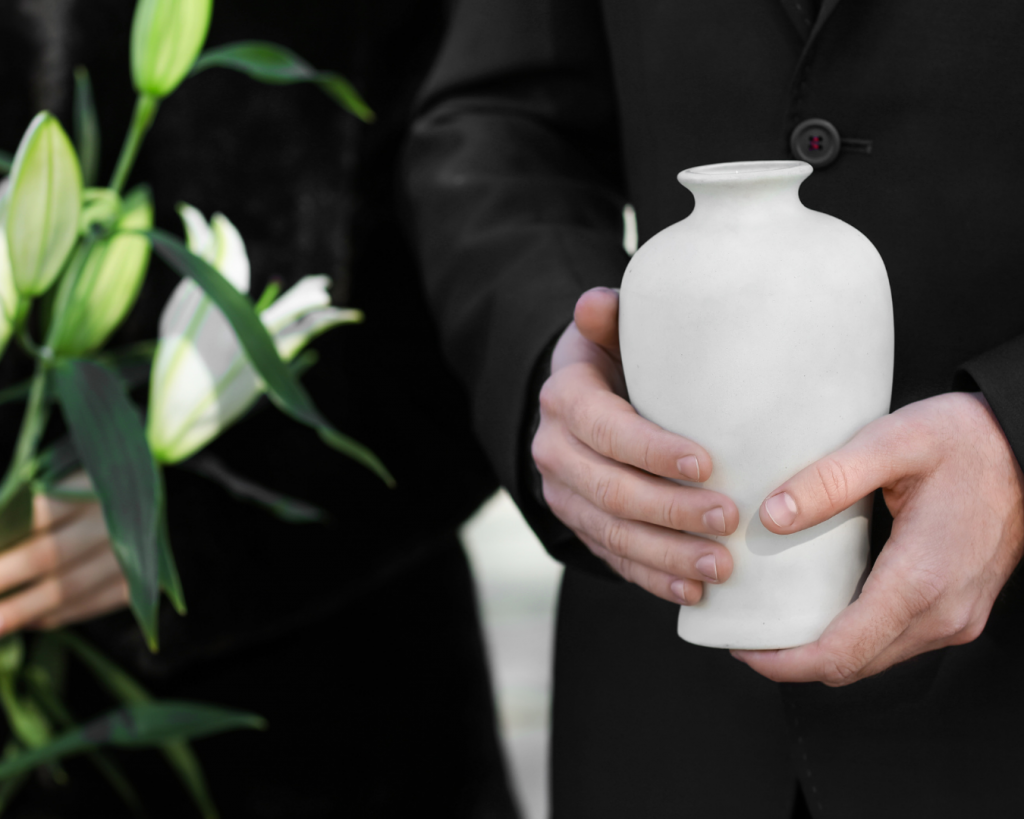
Who Has the Right to Cremated Ashes in South Carolina?
Losing a loved one is never easy. During such a difficult time, families must make important decisions—like who can authorize cremation and who receives the ashes. In South Carolina, state law, including the Safe Cremation Act, guides these decisions. Knowing these rules can help avoid confusion and honor your loved one’s wishes. The Person Named by the Deceased If the deceased named someone in their will or legal documents to make funeral or cremation decisions, that person usually has the primary authority. This person, often called the agent for disposition, can decide: Whether the cremation happens How the ashes are handled (kept, buried, placed in a niche, or scattered) The Surviving Spouse If no agent is named, the surviving spouse usually has the legal right to authorize cremation and receive the ashes. This ensures that the person closest to the deceased can make decisions during this emotional time. Adult Children If there is no surviving spouse, adult children are next in line. When multiple adult children are involved, they must agree on cremation decisions and the final handling of the ashes. Funeral homes often require signatures from all next of kin before proceeding. Parents or Other Relatives If the deceased was unmarried and had no adult children, the right typically goes to the parents. If the parents are not living, authority passes to other close relatives, such as siblings. South Carolina law follows this order to determine who can authorize cremation and receive the remains. How Cremated Remains Can Be Handled After cremation, the ashes are released to the person listed on the cremation authorization form. They are responsible for the final disposition, which can include: Placing ashes in a grave, crypt, or cemetery niche Keeping ashes in an urn at home Scattering ashes in a designated area or on private property (with permission) Following state and federal laws when scattering ashes on public land or water When Families Disagree Sometimes, family disagreements happen. Funeral homes must follow the legal order of authority. The person with the legal right of disposition has the final say. Documenting cremation wishes ahead of time can prevent conflicts. Compassionate Guidance Planning final arrangements can feel overwhelming. At Sosebee Mortuary & Crematory, we help families understand their options and make informed decisions with care and respect. If you have questions about cremation, funeral planning, or your legal rights in South Carolina, our team is here to help. Contact us or visit our website to learn more.
Preparing Yourself for a Funeral
Saying goodbye to someone you love is one of life’s most profound challenges. A funeral or viewing can stir a whirlwind of emotions, from deep sadness and anxiety to relief, love, and even gratitude. At Sosebee Mortuary & Crematory, we understand how overwhelming this time can be, and we’re here to support you with care, respect, and compassion every step of the way. Understanding What to Expect One reason funerals and viewings feel so stressful is uncertainty. Knowing what typically happens can help you feel more grounded and prepared. A funeral or viewing may include a time to pay respects, say final goodbyes, offer comfort to family, and reflect on memories of your loved one. Some services include a viewing of the body, while others are more symbolic or celebratory of life. These decisions are personal and vary widely by family and culture. Give Yourself Permission to Feel Grief isn’t structured, predictable, or polite; it arrives in waves. It’s okay to cry, feel numb, laugh at a memory, or sit quietly in a chair. There’s no right or wrong way to experience your emotions during a funeral or viewing. In fact, expressing your feelings can be an important part of the healing process. Remember: you don’t have to force strength or hide emotions to be “respectful.” This moment is as much for those who remain as it is for honoring the person who has passed. Decide What’s Right for You Not everyone feels comfortable with every tradition, and that’s okay. Attending the viewing: Some people want the chance to say goodbye in person. If you are nervous about seeing the body, that’s completely normal. You can choose how close you wish to be and how long you stay. It’s perfectly acceptable to simply be present in the room without standing at the casket. Skipping certain parts: There’s no obligation to participate fully in every ritual. If you’re uncomfortable, you can step outside, sit with someone you trust, or return later for a quieter moment. The most meaningful actions are the ones that feel authentic to you. Lean on Loved Ones Grief shared is grief softened. Being surrounded by trusted friends or family can provide comfort when emotions feel too heavy to carry alone. Don’t hesitate to let others know how you’re feeling; even a whispered “I’m scared” or “I need a moment” can build connection and support. Prepare Your Mind in Simple Ways Here are a few gentle practices to help ease anxiety before the service: Take a few deep breaths. Slowing your breath can calm your nervous system and help you stay present. Talk about your loved one. Sharing a memory with someone can make the experience feel less daunting and more meaningful. Set small intentions. Instead of thinking, “I have to get through this,” try something softer like, “I will honor, by being here in whatever way feels right.” What to Remember Most Funerals and viewings aren’t performances or tests. They are spaces for love, memory, and connection. Whether you speak at the service, offer a hug, or simply take a quiet moment by the casket, your presence honors both your loved one and your own journey through grief. At Sosebee Mortuary & Crematory, we’re here to guide you through every detail, logistical and emotional, with dignity, personal attention, and heartfelt support. If you’re planning a […]
Understanding the Funeral Process
Losing a loved one is one of life’s most difficult experiences, and planning a funeral can feel overwhelming. Understanding the funeral process ahead of time can help ease some of the stress, allowing families to focus on honoring their loved one and finding comfort in each other. Initial Contact and Arrangements The funeral process begins with reaching out to a funeral home. At this stage: A funeral director guides you through immediate decisions, such as transferring the deceased and care of the body. Families can begin to select the type of service, whether a traditional funeral, memorial service, or direct cremation. The funeral director will discuss legal requirements, paperwork, and any special requests or wishes. This initial step is about support, clarity, and guidance during a difficult time. Choosing the Type of Service Funeral services can be customized to reflect the life and personality of your loved one. Common options include: Traditional Funeral Service: Typically includes visitation or viewing, a ceremony, and burial. Memorial Service: Focuses on celebrating the person’s life and can occur with or without the body present. Cremation Service: Can be combined with either a traditional or memorial service, with options for keepsake urns and memorialization. Funeral directors can help families personalize services, from readings and music to special rituals and tribute videos. Preparing for the Ceremony Once the type of service is chosen, preparation begins: Selecting a casket or urn Choosing flowers, music, and readings Coordinating with clergy, celebrants, or speakers Finalizing guest arrangements and invitations Proper planning ensures the service is meaningful, smooth, and reflective of your loved one’s life. The Day of the Funeral or Memorial On the day of the service, the funeral home provides support with logistics and coordination: Greeting guests and assisting with seating Handling transportation of the deceased if necessary Guiding the family through the ceremony and any post-service events, such as graveside services or receptions This allows families to focus on grieving and honoring their loved one, without worrying about the details. Post-Service Considerations After the service, there are additional steps families may take: Grief support and resources offered by funeral homes Memorialization options, such as headstones, plaques, or keepsakes Handling final paperwork, including death certificates and estate notifications Funeral directors are there to guide families through these next steps, helping make the process as seamless as possible. While every funeral process is unique, understanding the key steps, from initial arrangements to post-service considerations, can help families navigate this emotional time with confidence and care. At Sosebee Mortuary & Crematory, our team is committed to providing compassionate guidance, personalized services, and support through every stage of the funeral process. Need help planning or understanding your options? Contact us today, and our caring professionals will guide you every step of the way.
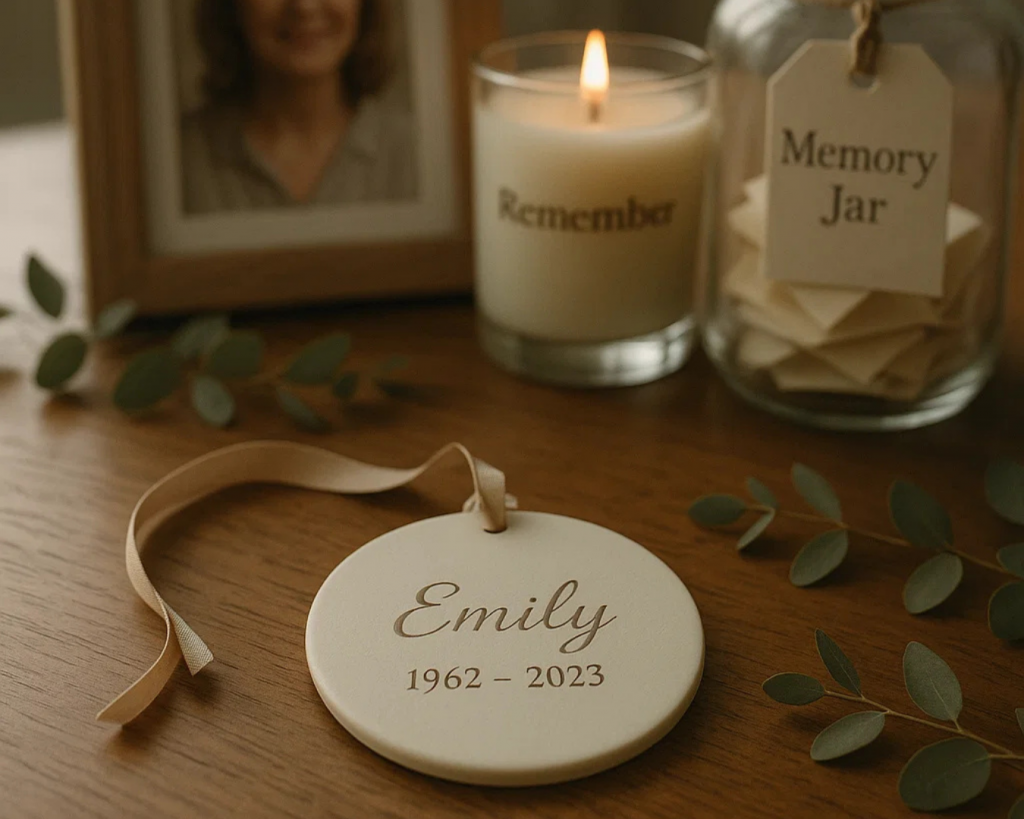
Create Meaningful Memorial Ornaments and Keepsakes
Honoring a life well-lived often extends beyond the funeral service itself. Keepsakes, ornaments, and personalized memorial items offer families a tangible way to stay connected to those they miss. At Sosebee Mortuary and Crematory, we believe every life is unique. Because of this, each farewell deserves to reflect that uniqueness in a meaningful and personal way. Why Keepsakes Matter A lasting connection:Memorial ornaments and keepsakes act as daily reminders of a loved one’s life. These small, thoughtful items can carry love, memories, and comfort. They offer a gentle connection during moments of reflection. A personalized tribute:Custom keepsakes can capture the personality, interests, and passions of the person being honored. As a result, families often find that these items make the tribute feel more personal and heartfelt. Comfort and healing:Having something tangible to hold or see can help support the healing process. A photo, bookmark, candle, or ornament can create a quiet moment of remembrance. These small rituals often bring comfort long after the service ends. Ideas for Memorial Ornaments and Keepsakes Custom Ornaments and Decorations Personalized ornaments can be displayed on a Christmas tree, in a memory corner, or anywhere in the home. For example, an ornament that reflects a loved one’s hobby or milestones can serve as a tender tribute. Photo Booklets or Memory Albums A keepsake album can help families preserve cherished moments. Collect photos from childhood, celebrations, or meaningful events. This album becomes a gentle way to reflect on a life and share memories with future generations. Memory Cards, Tribute Bookmarks, or Stationery Simple items like bookmarks or small cards can offer comfort throughout the year. A favorite quote, a photograph, or a message can provide a moment of remembrance each time it is seen or used. Memory Jars or Writing Stations Families and friends can write down special memories, stories, or messages and place them in a jar or memory box. Over time, this collection becomes a treasured keepsake filled with shared love. Personalized Candles, Lanterns, or Plantable Memorials Candles often symbolize hope and remembrance. In addition, lanterns or plantable seed-paper items can provide a tribute that grows and evolves. These options are especially meaningful for someone who enjoyed nature. How to Choose the Right Keepsake Reflect their passions:Consider the hobbies, interests, and qualities that defined your loved one. For instance, gardeners may be honored with plantable memorials, while readers may inspire customized bookmarks. Keep it simple and heartfelt:A keepsake does not need to be elaborate. Sometimes the simplest item, such as a handwritten note or a favorite photo, carries the most emotion. Include friends and family:Memories are often shared, so inviting others to contribute can make the keepsake even more meaningful. This also creates a tribute that reflects the impact your loved one had on many lives. Think long-term:Choose materials that will last. Albums, etched ornaments, high-quality prints, and digital memory boards are all great options. These choices help the keepsake stay meaningful for years. How Sosebee Mortuary Can Help At Sosebee Mortuary and Crematory, we understand that every life is unique. We also know that every goodbye deserves care, compassion, and attention to detail. […]